Every building has a story. A church that fills with families on Sunday mornings. A hotel room that a tired traveler calls home for the night. A medical clinic where patients arrive anxious and hoping for care. Each of these spaces carries a different kind of responsibility — but they all share one thing in common.
They need to be clean. Not just presentable. Genuinely, thoroughly, professionally clean.
And yet, so many facility managers underestimate what that actually takes — until something goes wrong. A guest leaves a bad review. A congregation member complains. A health inspector finds a violation. That’s usually when the phone calls start.
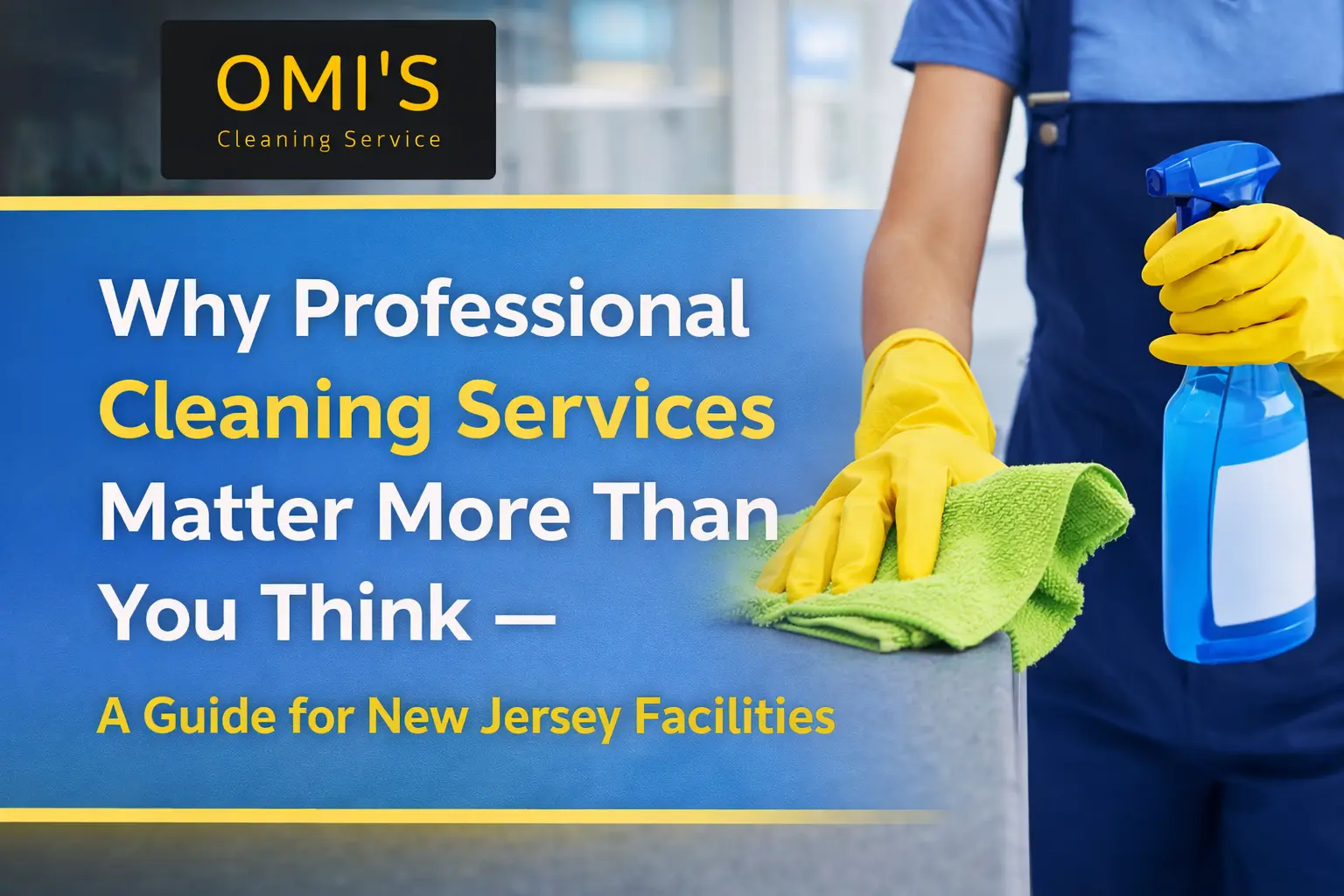
At Omi’s Cleaning Service, a family-owned cleaning company serving New Jersey, we’ve spent years helping different types of facilities understand what real cleanliness looks like. In this blog, we’re breaking down why professional cleaning isn’t a luxury for specialized spaces — it’s a necessity. And we’ll walk you through exactly what that looks like across three very different environments: churches, hotels and motels, and medical facilities.
The Problem With “Good Enough” Cleaning
Most facilities have some kind of cleaning routine. A janitor who sweeps on Fridays. A hotel housekeeper who changes sheets and moves on. A volunteer who mops the church hall after Sunday service.
These efforts matter. But they’re rarely enough.
The spaces we’re talking about — places of worship, hospitality properties, and healthcare facilities — are all high-traffic environments where people gather in large numbers. Some of them are vulnerable. Some of them are stressed. Some of them are sick. All of them deserve a space that’s truly hygienic, not just surface-level tidy.
That’s the gap that professional cleaning fills. It’s not about doing more of what you’re already doing. It’s about doing the right things in the right order, with the right products, by people who actually know what they’re doing.
Section 1: Church Cleaning — Keeping Sacred Spaces Welcoming
Why Churches Need More Than a Weekly Sweep
A church is one of the most community-centered spaces in any neighborhood. Weekend services bring in dozens, sometimes hundreds of people. Fellowship halls host dinners, meetings, and celebrations. Sunday school rooms are full of children. Restrooms get heavy use.
With that kind of foot traffic, dirt, germs, and dust accumulate fast — often in ways that aren’t immediately visible. Pew cushions collect allergens. Entryways carry in grime from outside. Kitchen areas after community meals can harbor bacteria if not properly sanitized.
The challenge for most congregations is that cleaning happens reactively, not proactively. Things get wiped down after they look dirty, rather than before they become a problem.
What Professional Church Cleaning Actually Looks Like
Our church cleaning services in New Jersey are designed around how churches actually operate. We don’t just show up and run a vacuum. We work around your service times, respect the sacredness of the space, and clean every area with care.
That includes:
- Sanctuary cleaning — dusting pews, vacuuming carpets, and maintaining altar areas with attention to detail
- Restroom sanitation — full disinfection of sinks, toilets, mirrors, and floors
- Fellowship halls — thorough cleaning of tables, chairs, and floors after events or gatherings
- Church offices — keeping administrative areas tidy and organized
- Entryways and hallways — sweeping, mopping, and disinfecting high-traffic zones
Every church is different. Some have hardwood floors and antique furniture that require gentle products. Others have large commercial kitchens that need heavy-duty sanitation. A good cleaning partner adapts to those needs — they don’t apply a one-size-fits-all approach.
The Trust Factor in Religious Spaces
This might sound like a soft consideration, but it genuinely matters: who you let into your church matters to your congregation.
Professional cleaners who specialize in church environments understand this. They come trained not just in cleaning techniques but in how to move through a sacred space respectfully. They know not to rearrange items on an altar. They handle decorations and religious objects carefully. They work quietly and without disruption when services or meetings are in session.
For congregations, that peace of mind is part of the service.
When to Schedule Church Cleaning
Most churches benefit most from cleaning:
- After Sunday services (or whatever day worship is held)
- Before major holidays like Easter, Christmas, or Eid
- After community events, funerals, weddings, or celebrations
- On a recurring weekly or biweekly schedule for general maintenance
The right schedule depends on your attendance and usage. A busy urban congregation might need twice-weekly cleaning. A smaller rural chapel might do well with weekly service. The key is consistency — not just cleaning when it looks like you need it.
Section 2: Hotel and Motel Cleaning — Where Guest Experience Begins and Ends
Cleanliness Is Your Most Powerful Amenity
You can have the best location, the most competitive pricing, and the friendliest front desk staff. But if a guest walks into their room and finds a hair on the pillow or a stain on the bathroom floor, none of that matters. That’s the review they’re writing.
Cleanliness isn’t just one factor in the guest experience. For most travelers, it’s the foundation that everything else is built on.
Hotels and motels face a unique cleaning challenge: high turnover, fast turnaround times, and constant use of shared spaces. A room needs to be fully prepared — linens changed, bathroom sanitized, surfaces wiped, floors vacuumed — between every single guest. And it needs to happen quickly, because the next check-in might be just hours away.
The Scope of Hospitality Cleaning
Most people think hotel cleaning just means making the beds and cleaning the bathroom. In practice, professional hotel and motel cleaning services cover far more than that.
Here’s what a thorough hospitality cleaning program includes:
- Guest room turnover — fresh linens, vacuumed carpets, fully sanitized bathrooms, wiped surfaces, restocked amenities
- Lobby and reception areas — first impressions start here; regular cleaning keeps the entrance welcoming
- Hallways and elevators — these are touched by every guest and rarely noticed until they’re dirty
- Public restrooms — among the most complained-about areas in online reviews
- Dining and lounge areas — tables, chairs, and surrounding floors after every service period
Each of these areas needs to be cleaned with different products, different techniques, and different frequencies. That’s not something an overworked front desk team can manage on top of their actual jobs.
The Hidden Cost of Poor Housekeeping
Property managers sometimes view cleaning as a cost to minimize. The reality is the opposite — poor cleaning is an expense that compounds over time.
One negative review citing cleanliness can cost you multiple bookings. A health inspection violation can result in fines or closures. Repeat guests who experience inconsistency won’t come back.
Investing in professional housekeeping support isn’t overhead. It’s reputation management.
Flexibility Is Everything in Hospitality
The biggest logistical challenge in hotel cleaning is timing. Rooms need to be ready before check-in. Common areas need to stay clean throughout the day, not just in the morning. Some properties need cleaning on demand, not just on a schedule.
Professional cleaning services built for hospitality understand this. Scheduling that flexes around guest arrivals and departures, same-day room turnovers, and early morning lobby maintenance before the rush begins — these are the hallmarks of a cleaning partner who actually understands the industry.
Section 3: Medical Cleaning — Where Cleanliness Is a Health Requirement
The Standard Is Different in Healthcare
In a church, a dirty window might be an eyesore. In a hotel, a dusty nightstand might get a bad review. In a medical facility, inadequate cleaning can directly harm patients.
That’s not hyperbole. Healthcare-associated infections (HAIs) are one of the most serious and preventable risks in medical facilities. Surfaces in exam rooms, waiting areas, and restrooms can harbor pathogens that cause real harm if not properly disinfected.
This is why medical cleaning is an entirely different category of service — not just “cleaning for medical offices” but a specialized discipline with its own protocols, training requirements, and compliance standards.
What Medical Cleaning Actually Involves
Our medical cleaning services in New Jersey are built around healthcare-specific standards, including CDC and OSHA guidelines. That means:
- Exam room and patient area disinfection — high-touch surfaces, chairs, countertops, and medical equipment are sanitized after every patient contact
- Waiting room and reception maintenance — lobbies and check-in desks stay clean and welcoming, reducing stress for patients who are already anxious
- Restroom sanitation with hospital-grade disinfectants — a non-negotiable in any healthcare setting
- Specialized equipment and surface care — sensitive instruments and surfaces handled with appropriate products that clean without damaging
- Deep cleaning and emergency services — intensive disinfection for high-risk areas or urgent contamination situations
This level of service requires staff who are trained and certified, not just experienced. It requires documentation so you can demonstrate compliance. It requires products that are actually approved for healthcare environments — not whatever’s cheapest in bulk.
Why Documentation Matters
Something that doesn’t come up in most cleaning conversations but is critical in healthcare: records.
When a health inspector visits, they don’t just look at whether surfaces are clean. They want to know who cleaned them, when, with what product, and how. A professional medical cleaning company provides that documentation as part of the service.
This isn’t paperwork for its own sake. It’s evidence of a compliance culture — one that protects your facility, your patients, and your staff.
Handling Sensitive Situations With Discretion
Medical facilities also deal with cleaning situations that require a different kind of professionalism. Hazardous waste, sharps disposal, post-procedure cleanup, contamination events — these require trained staff who know how to handle them safely without creating additional risk.
This is another reason why general cleaning services — even good ones — aren’t always appropriate for healthcare environments. The training, protocols, and certifications that medical cleaning requires go well beyond what most commercial cleaning companies offer.
What These Three Spaces Have in Common
At first glance, a church, a hotel room, and a medical exam room don’t seem to have much in common. But when you look at why professional cleaning matters in each of them, the theme becomes clear.
People trust these spaces.
A congregation trusts their church to be a safe, welcoming place. A guest trusts a hotel room to be clean and comfortable. A patient trusts a clinic to protect their health.
In each case, cleanliness is one of the most concrete ways that trust is earned or broken.
That’s why professional cleaning in these environments isn’t just a maintenance task. It’s a reflection of values — how much you respect the people who walk through your doors.
Choosing the Right Cleaning Partner for Your Facility
Not all cleaning companies are the same. When evaluating a cleaning service for a specialized environment, here are the questions worth asking:
Do they have experience with your type of facility? A company that cleans offices and homes isn’t automatically equipped to handle church furniture, hotel turnovers, or medical disinfection protocols. Ask specifically about their experience with your facility type.
Are their staff trained for the environment? In medical settings, training in infection control is a must. In hospitality, speed and consistency matter. In religious spaces, discretion and respect are essential. The right cleaning partner trains their team for the environment — not just for cleaning in general.
Can they work around your schedule? Churches need cleaning around service times. Hotels need rooms turned between check-out and check-in. Clinics need cleaning outside of patient hours. Flexibility isn’t optional — it’s core to the service.
Do they use appropriate products? Hospital-grade disinfectants in medical facilities. Non-toxic, gentle products in spaces used by children or elderly members. Effective but surface-safe solutions in hotels. The products matter as much as the technique.
Can they provide documentation or references? Especially for healthcare facilities, documentation is a compliance requirement. For any facility, references tell you what the real experience is — not just what the website says.
Final Thoughts: Clean Spaces, Trusted Spaces
A clean facility isn’t just easier to look at. It communicates something to everyone who enters. It says: we take care of this place because we care about the people in it.
Whether you’re managing a place of worship, a hospitality property, or a healthcare facility, that message matters every single day.
Omi’s Cleaning Service works across all three of these environments — bringing professional, reliable, and respectful cleaning to some of the most important spaces in New Jersey communities. From church cleaning that keeps sanctuaries welcoming, to hotel and motel cleaning that keeps guests coming back, to medical cleaning that keeps patients safe — we understand what’s at stake in every room we clean.
If your facility is ready for a cleaning partner who actually gets it, we’d love to talk.
📞 Call us at 862-423-1710 📧 service@omiscleaning.com 🔗 Request a Free Quote
Omi’s Cleaning Service is a family-owned cleaning company providing professional cleaning solutions for homes and businesses across New Jersey.